


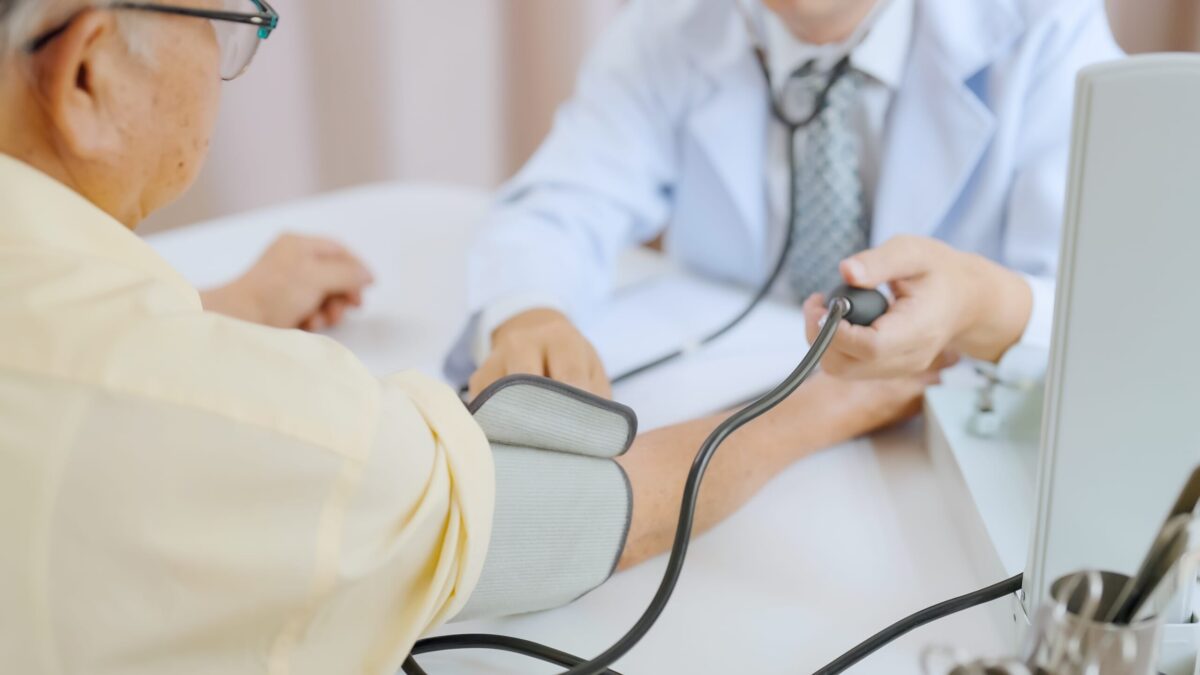
Have you been told your blood pressure is a little high during a health checkup, but you're ignoring the results because you don't have any symptoms and you're still young?
High blood pressure is called a "silent killer" because it often presents with no symptoms. It silently damages blood vessels, and one day, it can suddenly trigger a life-threatening illness.
This article provides a clear and easy-to-understand explanation from an expert's perspective, covering everything from the basics of high blood pressure that you need to know to protect your health, to specific measures you can start taking today.
table of contents
What is high blood pressure?
Blood pressure is the pressure exerted on the walls of blood vessels as blood pumped from the heart flows through them. The highest pressure when the heart contracts like a pump to send out blood is called "systolic blood pressure (maximum blood pressure)," and the lowest pressure when the heart expands after contraction to take in blood is called "diastolic blood pressure (minimum blood pressure)."
The Japanese Society of Hypertension guidelines define the criteria for hypertension as follows:
| Systolic blood pressure | Diastolic blood pressure | |
|---|---|---|
| Blood pressure in the doctor's office (blood pressure measured at a medical institution) | ≥140mmHg and/or ≥90mmHg | |
| Home blood pressure (blood pressure measured at home) | ≥135mmHg and/or ≥85mmHg | |
High blood pressure puts strong pressure on the walls of blood vessels, damaging them and accelerating arteriosclerosis. Since blood vessels extend throughout the entire body, the effects of high blood pressure are felt throughout the body.
Symptoms of high blood pressure
High blood pressure usually has no noticeable symptoms. Therefore, even if it's detected during a health checkup, it's often ignored, but the condition silently progresses during this time. The lack of symptoms is one of the reasons why it's difficult to continue treatment.
However, if the high blood pressure is caused by another underlying disease, symptoms of that disease may also appear.
Source: Japanese Circulation Society | Hypertension Source: Guidelines of the Japanese Society of Hypertension | Hypertension Treatment Guidelines 2019
Source: Japan Society of Clinical Internal Medicine | Hypertension
Two types and causes of high blood pressure
High blood pressure can be broadly divided into two types depending on its cause.
Essential hypertension
This type of hypertension, where no specific underlying disease is found, accounts for the majority of hypertension cases in Japan. It is thought to develop due to a complex interplay of lifestyle and environmental factors such as excessive salt intake, obesity, excessive alcohol consumption, lack of exercise, and stress, as well as genetic predisposition.
Secondary hypertension
Secondary hypertension is high blood pressure caused by specific diseases such as kidney disease, hormonal abnormalities in the thyroid or adrenal glands, or sleep apnea syndrome. With secondary hypertension, blood pressure can be expected to improve once the underlying disease is treated.
Source: Ministry of Health, Labour and Welfare, "Healthy Japan 21 Action Support System - Health Promotion Support Network" | Hypertension
Ignoring it is dangerous! High blood pressure can cause life-threatening illnesses.
If high blood pressure is left untreated, arteriosclerosis progresses throughout the body, causing serious damage to various organs. In particular, the risk of developing life-threatening diseases such as the following increases dramatically.
| part | disease |
|---|---|
| Brain diseases | This can lead to strokes (blocked blood vessels), cerebral hemorrhages (ruptured blood vessels), and subarachnoid hemorrhages (ruptured blood vessels). It also increases the risk of dementia. |
| Heart disease | Angina pectoris, myocardial infarction, heart failure, etc. |
| Kidney disease | Nephrosclerosis and renal failure |
Therefore, the goal of treating hypertension is to prevent complications and to keep them from worsening.
Start today! Lifestyle changes to lower blood pressure
The foundation of preventing and improving high blood pressure is reviewing your lifestyle. Here are some specific methods you can put into practice immediately.
Dietary therapy
In terms of diet, the key is to reduce salt intake and consume foods rich in potassium.
Tips for reducing salt intake
The leading cause of high blood pressure is excessive salt intake. The Japanese Society of Hypertension recommends limiting daily salt intake to less than 6g. Try to be mindful of the following eating habits.
- I'll limit my pickles. I'll make homemade light pickles and eat only a small amount.
- Leave the broth from your noodle dishes. Leaving it all behind can reduce your salt intake by 2-3g.
- Using fresh ingredients allows the natural flavors of the ingredients to shine through, resulting in a delicious dish with minimal seasoning.
- Making miso soup with lots of ingredients allows you to reduce the amount of salt used, even with the same seasoning.
- Taste the seasoning before adding condiments.
- Make good use of low-sodium seasonings.
- Cooking is done using spices, aromatic vegetables, and the acidity of citrus fruits.
- Avoid eating out and processed foods. Also be careful with salted and dried foods.
Let's start with what we can do.
Consumption of foods (vegetables and fruits) that are rich in potassium
Potassium, which is abundant in vegetables and fruits, helps the kidneys excrete sodium more easily. It is an important nutrient for people with high blood pressure, but those with impaired kidney function may need to limit their potassium intake. Always consult your doctor.
Exercise therapy
To lower blood pressure, aerobic exercises such as brisk walking, step exercises, slow jogging, running, and walking are effective. Aim for at least 10 minutes at a time, at an intensity that feels slightly challenging, for a total of at least 40 minutes per day, and ideally, do this every day.
Combining this with strength training can help maintain muscle mass and make it even more effective. However, if you have a history of cerebrovascular disease, you should consult your doctor beforehand.
Other lifestyle habits: moderate alcohol consumption, quitting smoking, getting enough sleep, stress management.
Excessive alcohol consumption raises blood pressure. The recommended daily alcohol intake is about one go (180ml) of sake or one medium-sized bottle of beer for men, and less than half that amount for women. Furthermore, nicotine in cigarettes stimulates the sympathetic nervous system, constricting blood vessels and temporarily raising blood pressure, so quitting smoking is essential.
In addition, getting enough sleep, managing stress, keeping your body warm, relieving constipation, and having proper bathing habits can also contribute to blood pressure management.
This article explains the importance of measuring blood pressure at home and how to do so correctly.
Recording your blood pressure daily is crucial for determining your treatment plan. Please follow these points to ensure accurate measurement.
- Timing: Twice a day: in the morning (within one hour of waking up, after urination, and before taking medication) and at night (before going to bed).
- Equipment: An upper arm blood pressure monitor is recommended for accurate measurements.
- Posture: Sit in a chair and rest for 1-2 minutes before taking the measurement.
As a general rule, take two measurements and record the average. Avoid recording only the best values.
Source: Ministry of Health, Labour and Welfare, "Healthy Japan 21 Action Support System - Health Promotion Support Network" | Hypertension Source: Guidelines of the Japanese Society of Hypertension | Hypertension Treatment Guidelines 2019
Source: Ministry of Health, Labour and Welfare, "Healthy Japan 21 Action Support System - Health Promotion Support Network" | Blood Pressure
If blood pressure does not decrease even with lifestyle changes
If lifestyle changes do not lower blood pressure to the target level, "pharmacotherapy" using medication will be considered. Taking antihypertensive drugs at a set time every day can help lower blood pressure steadily and reduce the strain on blood vessels. There are various types of medications, but the doctor will select the one with the strongest antihypertensive effect and that is appropriate for the co-existing medical condition.
Source: Guidelines of the Japanese Society of Hypertension | Hypertension Treatment Guidelines 2019
summary
High blood pressure is often neglected because it has no noticeable symptoms. However, arteriosclerosis silently progresses within the body, leading to serious illnesses in the future.
The key to a healthy future is regular blood pressure checks and early intervention. This is fundamentally about improving lifestyle habits such as diet and exercise, and, if necessary, medication. If you're feeling anxious after seeing your health checkup results, or if you don't know where to start, please don't hesitate to consult a doctor.
📷 HELENE Clinic's Instagram is here
Supervised by: Dr. Nobuhito Ueda (Surgeon)