


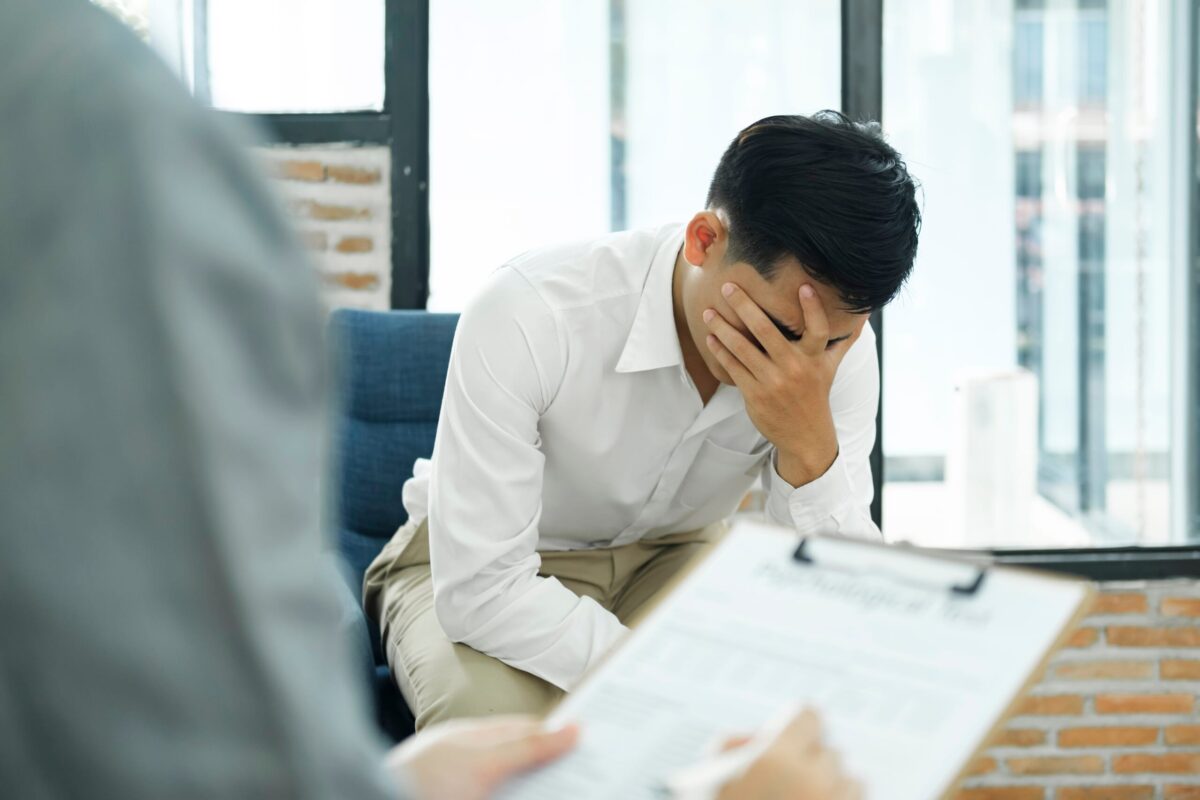
"Lately, I've been feeling tired easily," "I don't feel motivated to do my job or pursue my hobbies..."
Are you simply dismissing these ailments as just a sign of age? In fact, menopause, which affects both men and women, might be the cause. The physical and mental changes you experience after your 40s could be symptoms of a decrease in male hormones.
This article provides a clear and easy-to-understand explanation of scientifically-based solutions for male menopause, from self-care measures to medical treatment.
table of contents
What is male menopause?
It's essentially a "male version of menopause." If you experience unexplained discomfort after your 40s, it might be male menopause. Medically known as LOH syndrome (late-onset hypogonadism), it's a general term for various symptoms caused by a decrease in testosterone, a type of male hormone, due to aging or severe stress.
Because the rate at which testosterone levels decline varies greatly from person to person, the symptoms that manifest also differ from individual to individual. There are no studies in Japan that have investigated the frequency of this condition. However, it is said that the number of people whose levels of the active male hormone in the body have decreased to a worrying level is 1 in 10 in their 40s, 1 in 5 in their 50s, and 1 in 2 in their 60s. This is not something to take lightly.
Source: Japanese Urological Association and Japanese Society for Men's Health Medicine, "Guidelines for the Treatment of LOH Syndrome"
Symptoms of male menopause
Male menopause symptoms are characterized by their wide range of effects, affecting the body, mind, and sexual function. Check the following typical symptoms and compare them to your own condition.
- Physical symptoms: sweating, hot flashes, fatigue, decreased muscle mass and strength, decreased bone mineral density, obesity, etc.
- Mental symptoms: Impaired intellectual activity, cognitive function, and orientation; mood swings; sleep disturbances; decreased concentration and memory.
- Sexual function symptoms: decreased libido/ED (erectile dysfunction)
- Metabolic abnormalities: sugar metabolism/lipid metabolism
Physical symptoms (including metabolic disorders)
Typical physical symptoms include sudden profuse sweating, facial flushing, and persistent fatigue that doesn't go away no matter what you do. Of particular concern is the vicious cycle with obesity. A decrease in male hormones increases visceral fat, and this increased visceral fat further reduces male hormones.
Furthermore, a decrease in male hormones reduces the effectiveness of hormones that lower blood sugar levels, increasing the risk of diabetes, and is also directly linked to metabolic syndrome, such as high blood pressure and dyslipidemia. In addition, attention should be paid to sarcopenia, a condition in which muscle mass decreases and muscle strength declines, and osteoporosis, a condition in which bones become brittle.
Psychiatric symptoms
Mental health issues such as "feeling down," "getting irritated by trivial things," and "difficulty concentrating" may also be influenced by a decrease in male hormones. Some reports indicate that people with lower levels of male hormones are about three times more likely to be diagnosed with depression than those with normal levels.
Some people may also feel that they are becoming more forgetful. Male hormones play an important role in the hippocampus, the part of the brain that controls memory. They have also been shown to protect nerves from substances that cause Alzheimer's disease, and are deeply involved in maintaining cognitive function.
sexual function symptoms
The most common problem men experience during male menopause is sexual dysfunction, such as decreased libido and erectile dysfunction (ED). This refers to a state where a man experiences a lack of sexual interest for six months or more, causing him deep distress. It is a very delicate issue that can also affect his relationship with his partner.
In addition, some people experience decreased sexual pleasure or problems with ejaculation, which can lead to complex issues that cannot be simply dismissed as "due to age."
The function of the male hormone "testosterone"
Testosterone is found throughout the body and is not just a hormone related to muscles and libido. It is a "source of vitality" that supports men's mental and physical health throughout their lives.
Sufficient testosterone keeps muscles and bones strong and supports higher brain functions such as judgment and decision-making. Conversely, a decrease in this hormone not only increases the risk of metabolic syndrome and osteoporosis, but also significantly reduces daily life satisfaction.
From self-help measures to medical treatments, what are the scientific solutions?
Review your lifestyle
Let's review your lifestyle using four pillars: diet, exercise, sleep, and stress management. Make sure to consciously consume protein (meat, fish, and soy products), which are the building blocks of muscles. Ideally, aim for 40-60 minutes of aerobic exercise at least three times a week.
To improve sleep quality, morning sunlight and a regular lifestyle are effective, while bathing and pursuing hobbies are effective for stress relief.
Standard treatment at medical institutions
If self-care is ineffective or if distressing symptoms persist, we recommend consulting a medical professional. If diagnosed with LOH syndrome, hormone replacement therapy (such as intramuscular injections) may be suggested.
summary
Male menopause is not uncommon. Don't give up and think it's just a sign of age; with the right knowledge and actions, it may be possible to improve the condition. Start with a self-check, and consult a specialist if necessary.
Supervised by: Dr. Nobuhito Ueda (Surgeon)