


table of contents
Introduction
Stem cells are widely known as one of the most fundamental components of the human body. In recent years, they have become a topic of widespread discussion not only in academic research but also in general society, particularly in fields such as aging, tissue repair, and regenerative medicine.
While interest in stem cells is growing, the concept is sometimes misunderstood or oversimplified. This article will provide a clear and multifaceted explanation of what stem cells are, how they function in the body, and why they are an important subject in medical research.
Definition of stem cells
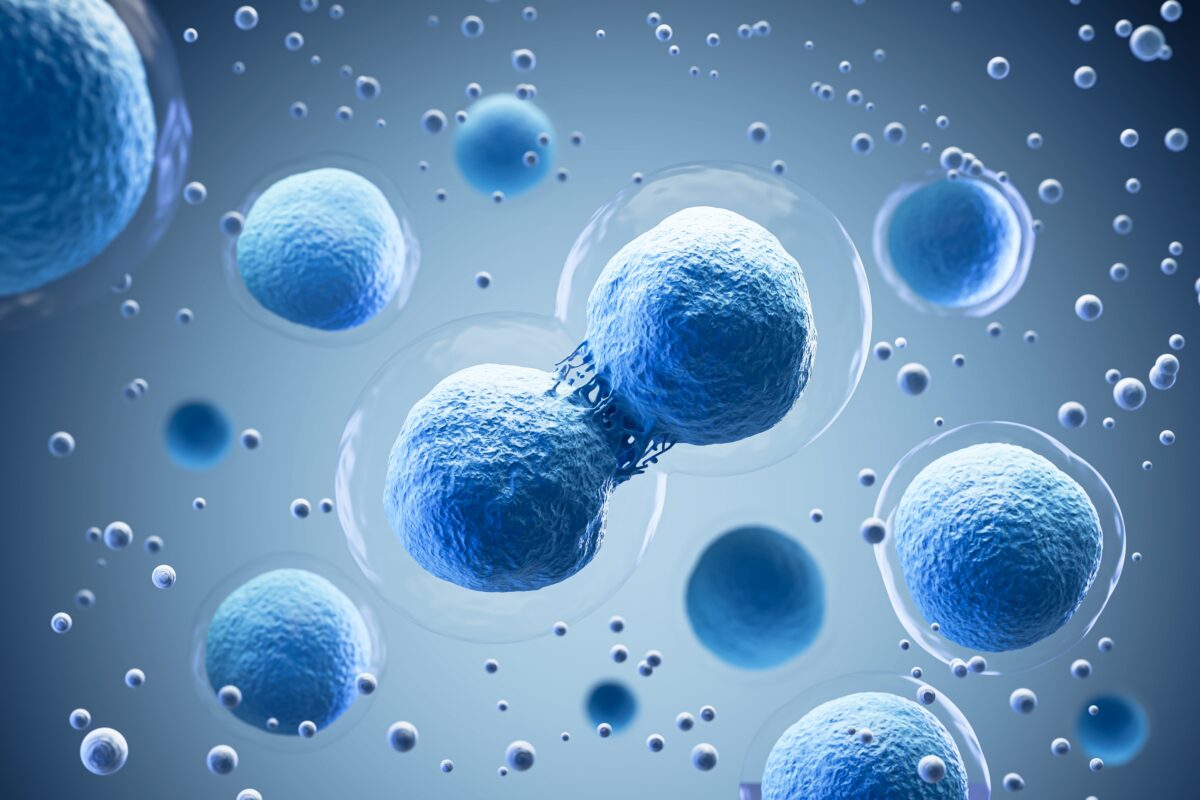
Stem cells are generally defined as cells that possess two important characteristics: "self-renewal ability" and "differentiation ability."
- Self-renewal ability refers to the ability of cells to maintain their group by repeatedly dividing.
- Differentiation ability refers to the ability of cells to transform into cells with more specialized functions, such as muscle cells, nerve cells, and blood cells.
The combination of these characteristics allows stem cells to perform flexible roles, unlike ordinary cells.
However, these processes are strictly controlled and influenced by complex biological signals. While research into the underlying mechanisms is still ongoing, some clinical applications have been introduced under controlled frameworks in countries with established regulations, such as Japan.
Types of stem cells present in the body
Stem cells are classified based on their origin and biological characteristics.
Embryonic stem cells (ES cells)
Embryonic stem cells are derived from early embryos and are known to possess high differentiation potential; however, their clinical use is severely restricted for ethical and legal reasons. In Japan, their use as a routine medical procedure is generally not permitted.
Somatic stem cells (adult stem cells)
On the other hand, somatic stem cells (adult stem cells) are present in various tissues throughout the body. A prime example is mesenchymal stem cells (MSCs), which are found in bone marrow and adipose tissue, and are thought to be involved in maintaining and repairing bodily functions.
Induced pluripotent stem cells (iPS cells)
Induced pluripotent stem cells (iPS cells) are cells created by reprogramming adult cells and possess characteristics similar to embryonic stem cells. However, research into their safety and long-term behavior is still ongoing.
Each type of stem cell possesses different characteristics, and their range of applications varies depending on the situation. Clinical use is carefully managed under legal regulations as research progresses.
The role of stem cells in tissue maintenance
Stem cells are thought to function as part of the body's natural maintenance mechanisms. In certain tissues, they may be involved in replacing cells lost due to damage or aging.
For example, mesenchymal stem cells (MSCs) derived from adipose tissue are being studied for their relationship to structural elements such as collagen and elastin in the dermis layer of the skin.
These are considered to be part of the body's natural functions that enable it to maintain stability over time. However, this regenerative capacity is not unlimited and is influenced by factors such as age, environment, and health, and varies from person to person.
While stem cells are one component involved in repair mechanisms, they do not function in isolation and need to be understood within the context of complex biological systems.
Why stem cells are attracting attention in medical research
Stem cells have become an important topic in medical research due to their biological properties and potential for future medical applications.
Currently, research is being conducted in controlled clinical settings to understand how these cells interact with the human body. The research fields are diverse, including orthopedics, metabolic diseases, and neuroscience.
Research has accumulated over the past 20 years, and insights into its clinical behavior and safety have been reported. However, research results may vary depending on the study design and subject conditions.
Currently, stem cell-based medicine is considered a developing field, and our understanding of its effectiveness and long-term effects is being advanced through clinical research.
Against this backdrop, stem cells are considered an important research subject in the development of advanced medical care. Furthermore, in countries like Japan, which established dedicated legal frameworks for regenerative medicine relatively early on, these medical treatments are carried out under the supervision of physicians.
Clinical perspective
In clinical settings, the handling and application of stem cells involve multiple processes, including harvesting, processing, and evaluation.
These qualities and safety depend heavily on the environment and processing steps used to handle the cells.
At HELENE Clinic, stem cell-related medical treatments are provided under physician-led evaluation in accordance with Japanese laws and regulations regarding regenerative medicine. A cell processing facility (CPC) is located within the clinic, and cell processing and preparation are carried out in a controlled environment.
Furthermore, these processes are operated under a quality management system compliant with ISO 9001, and our quality management efforts have been recognized by international organizations such as the European Society for Quality Research (ESQR).
Medical treatment is determined on an individual basis and may not be suitable for everyone. The final decision should be made after thorough consultation with your doctor.
FAQ
Do stem cells decrease with age?
Yes. Numerous studies have reported that stem cell function changes with age. This includes a decrease in functional stem cells and changes in responsiveness to biological signals.
However, the degree of these changes varies depending on the individual and the type of organization, and research into their relationship to overall health is still ongoing.
Is aging primarily caused by a decline in stem cells?
Aging is influenced by multiple biological factors and cannot be attributed to a single cause.
On the other hand, changes in stem cells are considered to be one of the important elements of this process and are closely related to the ability to maintain and repair tissues.
A decline in the number and function of stem cells may be involved in a gradual change in regenerative capacity and could affect the body's response to everyday cellular damage.
Can stem cell-based approaches slow down the aging process?
Stem cell-based approaches are a field where research is progressing on various health conditions related to aging.
Aging is a complex phenomenon influenced by many factors, while stem cells are attracting attention because they are associated with tissue maintenance and repair functions.
Changes in the number and function of stem cells may be involved in the ability to cope with everyday cellular stress, and supporting these processes is being studied from the perspective of maintaining physiological balance.
However, research into its relationship with aging and long-term effects is still ongoing.
Is stem cell "replenishment" necessary for everyone?
Stem cell-related approaches are sometimes considered as part of health management, including a preventative perspective.
However, its applicability varies depending on individual circumstances, and it is not suitable for everyone.
In clinical practice, decisions are made based on evaluations by physicians, taking into account the individual's health condition and background.
Why are stem cells often discussed in relation to preventive medicine?
Stem cells are sometimes mentioned in the context of preventive medicine because they are involved in the body's maintenance and repair mechanisms.
As mentioned earlier, changes in the number and function of stem cells may be associated with changes in regenerative capacity, and there is growing interest in their relationship to long-term health management.
Given this background, stem cell-related approaches are sometimes considered from the perspective of maintaining physiological balance, but this field is still in the research stage, and caution is required when interpreting the results.
summary
Stem cells play a crucial role in discussions about aging and health, particularly in terms of maintaining and repairing tissues, as well as preserving physiological balance.
Scientific understanding continues to evolve, and stem cells are now recognized as a component of the complex biological processes associated with aging.
Against this backdrop, it is important to understand stem cell-based approaches as part of comprehensive health management within the framework of individual medical evaluations and legal regulations.
It is recommended that medical decisions be made with a thorough understanding of the subject and in consultation with a specialist.
Disclaimer
This article is for general informational purposes only and does not constitute medical advice or guarantee any specific results. Individual results may vary, and all final medical decisions should be made in consultation with a healthcare professional.